
Introduction to Urban Development
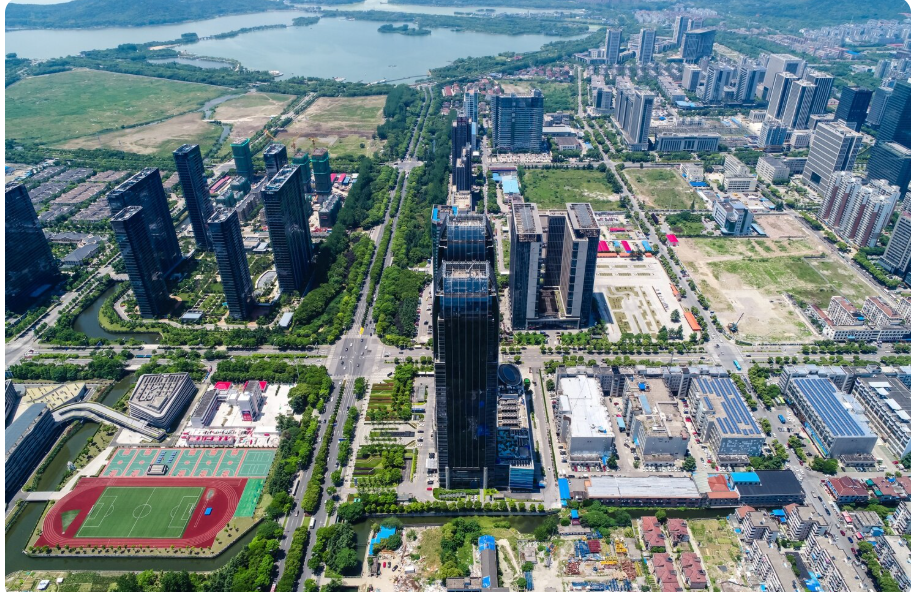
Urban development plays a vital role in shaping modern cities, influencing infrastructure, housing, transportation, and economic growth. It encompasses planning, designing, and managing urban spaces to improve the quality of life for residents and ensure sustainable growth. Understanding the key trends shaping urban development today helps policymakers, developers, and investors make informed decisions and create cities that are efficient, livable, and future ready.
Smart City Initiatives
Smart city initiatives are at the forefront of urban development trends. Integrating technology into city planning improves efficiency, safety, and convenience for residents. Smart traffic management, intelligent lighting systems, digital governance platforms, and IoT enabled infrastructure enhance city operations. These initiatives not only improve daily living but also attract investors and businesses seeking technologically advanced urban environments.
Sustainability and Green Urban Planning
Sustainability is a major focus in modern urban development. Green building practices, renewable energy integration, efficient waste management, and eco friendly public spaces are increasingly prioritized. Sustainable urban planning reduces environmental impact, lowers operational costs, and promotes healthier living conditions. Cities adopting green strategies are better prepared for climate change challenges and offer long term benefits to residents and investors.
Mixed Use Development
Mixed use developments are transforming urban spaces by combining residential, commercial, and recreational areas within a single project. This trend promotes walkability, reduces commuting times, and encourages vibrant community interactions. Integrating various functions into urban spaces enhances livability and maximizes land use efficiency, making it a popular approach in modern city planning.
Affordable Housing and Inclusive Development
Urban development increasingly focuses on inclusive housing to accommodate diverse populations. Affordable housing projects address social equity by providing access to quality homes for low and middle income families. Integrating affordable housing within urban planning ensures balanced growth, reduces social disparities, and supports sustainable community development.
Transportation and Connectivity
Efficient transportation and connectivity are essential trends in urban development. Investments in metro systems, bus rapid transit, cycling lanes, and pedestrian friendly infrastructure improve mobility and reduce congestion. Well connected cities facilitate economic activity, attract businesses, and enhance residents’ quality of life. Connectivity also influences property values and urban investment potential.
Public Spaces and Community Amenities
Modern urban development emphasizes creating public spaces and community amenities. Parks, recreational centers, cultural hubs, and pedestrian plazas contribute to social cohesion and wellness. Well designed public areas encourage outdoor activities, promote social interaction, and enhance the aesthetic appeal of cities, making them more attractive for residents and investors.
Technology Driven Urban Planning
Technology is increasingly integrated into urban planning processes. Geographic information systems, data analytics, and AI based simulations help planners optimize land use, predict traffic patterns, and manage resources efficiently. Technology driven planning ensures informed decision making, reduces planning errors, and enables cities to adapt to evolving population and infrastructure needs.
Economic Growth and Investment Focus
Urban development is closely linked to economic growth. Cities with strategic planning, robust infrastructure, and business friendly policies attract investments and create employment opportunities. Developers and investors are focusing on urban areas with high growth potential, aligning real estate and commercial projects with city expansion and development strategies.
Resilient and Disaster Prepared Urban Design
Resilience is a key trend in urban development. Cities are incorporating flood management systems, earthquake resistant structures, and emergency response planning to withstand natural disasters and climate impacts. Resilient design protects infrastructure, ensures safety, and reduces economic losses, making urban areas more sustainable and secure for residents.
Conclusion and Strategic Insights
Urban development today is shaped by smart city initiatives, sustainability, mixed use planning, inclusive housing, transportation, public spaces, technology integration, economic growth, and resilient design. Understanding these trends enables policymakers, developers, and investors to make informed decisions, create livable communities, and ensure sustainable urban growth. Strategic urban planning that incorporates these trends supports economic prosperity, environmental stewardship, and improved quality of life in modern cities.




Leave a Reply