

Introduction to Real Estate Trends
Real estate trends provide valuable insights into market dynamics, investment opportunities, and buyer preferences. Understanding these trends is essential for investors, developers, and buyers to make informed decisions, adapt strategies, and stay competitive. The real estate market evolves due to economic shifts, technological innovation, urban development, and changing lifestyles, making trend analysis a vital component of property planning.
Technology Integration in Real Estate
Technology is one of the most influential trends shaping modern real estate. Tools such as virtual tours, AI driven analytics, and online property management platforms are transforming how properties are marketed, bought, and managed. Technology improves transparency, efficiency, and convenience, allowing investors and buyers to make faster and more informed decisions. Smart homes and IoT enabled properties are also gaining popularity, adding value and appeal to the market.
Sustainability and Green Building Practices
Sustainability has become a key trend in real estate. Energy efficient designs, eco friendly construction materials, and green certifications are increasingly demanded by buyers and tenants. Sustainable properties not only reduce environmental impact but also offer long term cost savings and higher resale value. Developers are prioritizing sustainable construction to attract environmentally conscious buyers and meet regulatory standards.
Urbanization and Smart City Development
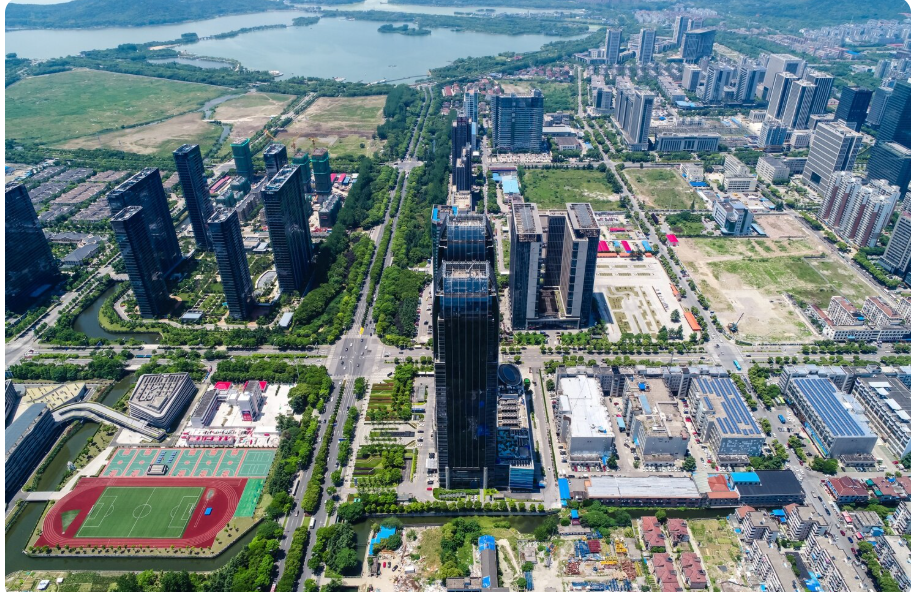
Urbanization continues to drive real estate trends by increasing demand for residential, commercial, and mixed use properties in cities. Smart city initiatives integrate technology, infrastructure, and efficient resource management, creating more attractive living and working spaces. Properties in well connected urban hubs see higher demand and appreciation, influencing both development and investment strategies.
Changing Buyer Preferences
Modern buyers prioritize flexibility, convenience, and lifestyle amenities in their property choices. Co living spaces, remote work friendly designs, and mixed use developments are gaining traction. Understanding these changing preferences helps developers design properties that meet current needs, while investors can identify assets with strong rental or resale potential.
Affordable Housing and Inclusion
The trend towards affordable and inclusive housing is shaping market dynamics. Governments and developers are focusing on creating housing options for low and middle income families. Affordable housing projects not only address social equity but also offer stable investment opportunities due to high demand and consistent occupancy rates.
Investment Diversification and Emerging Markets
Real estate investors are increasingly diversifying portfolios across residential, commercial, industrial, and rental properties. Emerging markets and developing areas offer high growth potential, attracting both domestic and international investors. Understanding local trends, infrastructure development, and market dynamics is essential for identifying profitable investment opportunities.
Impact of Interest Rates and Economic Conditions
Economic factors such as interest rates, inflation, and employment levels continue to influence real estate trends. Low interest rates stimulate property purchases and investment, while economic slowdowns may reduce demand. Monitoring these economic indicators allows stakeholders to anticipate market shifts and make strategic decisions.
Design Innovation and Lifestyle Integration
Architectural innovation and lifestyle integration are increasingly important in real estate. Buyers seek unique designs, functional layouts, and properties that support wellness, recreation, and community engagement. Incorporating these elements enhances property value, marketability, and long term appeal.
Rental Market Growth and Income Properties
The demand for rental properties is a growing trend in many markets, driven by affordability challenges and lifestyle flexibility. Investors are exploring rental assets for steady income streams, while developers focus on creating high quality, rental friendly properties. Rental market trends influence pricing, location selection, and property features.
Conclusion and Strategic Insights
Real estate trends today are shaped by technology, sustainability, urbanization, changing buyer preferences, affordable housing, investment diversification, economic factors, design innovation, and rental market growth. Understanding these trends allows investors, developers, and buyers to make informed decisions, capitalize on opportunities, and plan strategically. Staying updated on market trends ensures long term success and competitiveness in the dynamic real estate sector.




Leave a Reply