
Introduction to Luxury Real Estate
Luxury real estate represents the high end segment of the property market, encompassing premium homes, estates, penthouses, and exclusive developments. It caters to affluent buyers seeking prestige, comfort, and investment potential. Understanding the key trends shaping luxury real estate today helps investors, developers, and buyers make informed decisions and capitalize on opportunities in this dynamic market.
Demand for Prime Locations
Location remains a critical factor in luxury real estate. High net worth buyers prioritize properties in prime urban areas, waterfront locations, scenic landscapes, and prestigious neighborhoods. Accessibility, privacy, and proximity to amenities like schools, cultural centers, and business districts enhance property value. Developers focus on creating exclusive communities in desirable areas to attract affluent clientele.
Sustainability and Eco Friendly Designs
Sustainability is increasingly influencing luxury real estate trends. Energy efficient homes, smart climate control systems, solar panels, and green building certifications appeal to environmentally conscious buyers. Sustainable design not only reduces environmental impact but also enhances property value and marketability. Eco friendly features have become a standard expectation in modern luxury properties.
Integration of Smart Home Technology
Technology integration is transforming luxury real estate through smart home features and automation. High end properties now include intelligent lighting, security systems, climate control, and entertainment solutions. Advanced home automation provides convenience, safety, and enhanced lifestyle experiences. Technology adoption differentiates luxury properties and adds significant value for buyers.
Emphasis on Privacy and Security
Privacy and security are key considerations in luxury real estate. Gated communities, advanced surveillance systems, private access routes, and secure perimeters are highly valued by affluent buyers. Ensuring safety and exclusivity enhances desirability and attracts high profile clients who prioritize confidentiality and peace of mind.
Wellness and Lifestyle Amenities
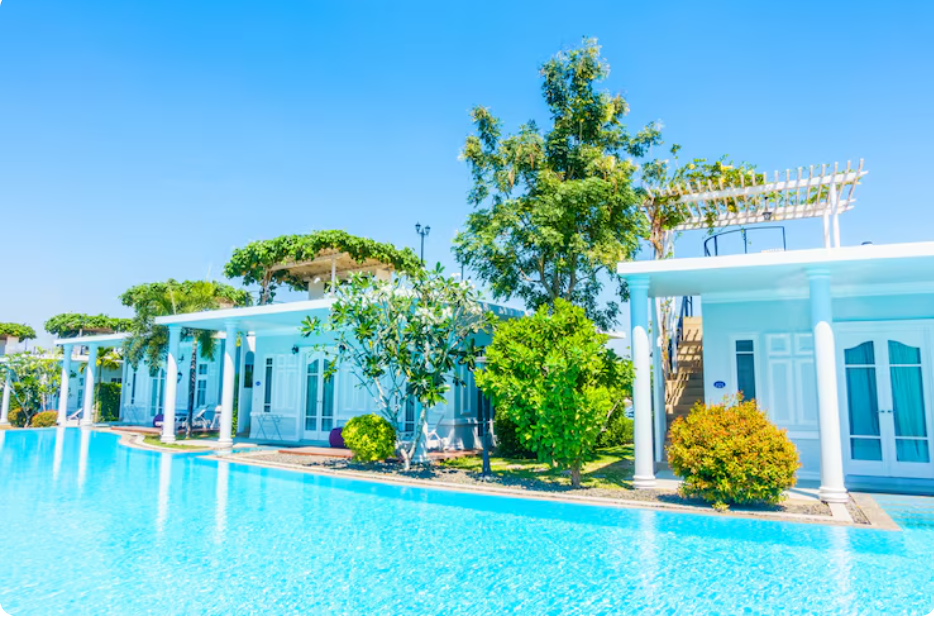
Modern luxury properties increasingly emphasize wellness and lifestyle amenities. Features such as private gyms, spa facilities, swimming pools, home theaters, and landscaped gardens cater to a holistic living experience. Developers focus on creating properties that provide comfort, relaxation, and recreation, meeting the lifestyle expectations of affluent residents.
Globalization and International Buyers
Globalization has expanded the reach of luxury real estate. International buyers invest in properties for vacation homes, business, or investment diversification. Currency fluctuations, cross border regulations, and global economic trends influence demand and pricing. Developers and agents tailor offerings to attract foreign investors and meet international standards.
Market Dynamics and Investment Potential
Luxury real estate is influenced by supply, demand, economic conditions, and market sentiment. Properties in high demand locations with limited availability experience rapid appreciation. Investors view luxury real estate as a stable and lucrative asset class, providing both lifestyle benefits and financial returns. Understanding market dynamics helps stakeholders make strategic investment decisions.
Design and Architectural Innovation
Architectural design and innovation are central to luxury real estate trends. Unique layouts, bespoke interiors, high quality materials, and aesthetic appeal distinguish premium properties. Collaborations with renowned architects and designers enhance exclusivity and value. Attention to design detail attracts discerning buyers seeking distinctive and prestigious homes.
Impact of Technology on Marketing
Marketing strategies for luxury real estate leverage technology to reach potential buyers worldwide. Virtual tours, 3D renderings, social media campaigns, and targeted online advertising increase visibility and engagement. Digital tools allow buyers to explore properties remotely, facilitating faster decision making and expanding market reach.
Economic Factors and Policy Influence
Economic conditions, tax policies, and government regulations affect luxury real estate trends. Interest rates, investment incentives, and property taxes influence buyer behavior and market activity. Staying informed about financial and policy developments helps investors and developers navigate the luxury segment effectively.
Conclusion and Strategic Insights
Luxury real estate today is shaped by location, sustainability, technology, privacy, lifestyle amenities, globalization, market dynamics, architectural innovation, and digital marketing. Understanding these trends allows investors, developers, and buyers to make informed decisions, maximize returns, and align properties with modern preferences. Adapting to current trends ensures long term success and growth in the competitive luxury real estate market.



Leave a Reply